Zero Is a Number. Missing Is a Different State.
A blank chart can mean no activity, unavailable data, or a filter that matches nothing. Make those differences visible before customers draw the wrong conclusion.
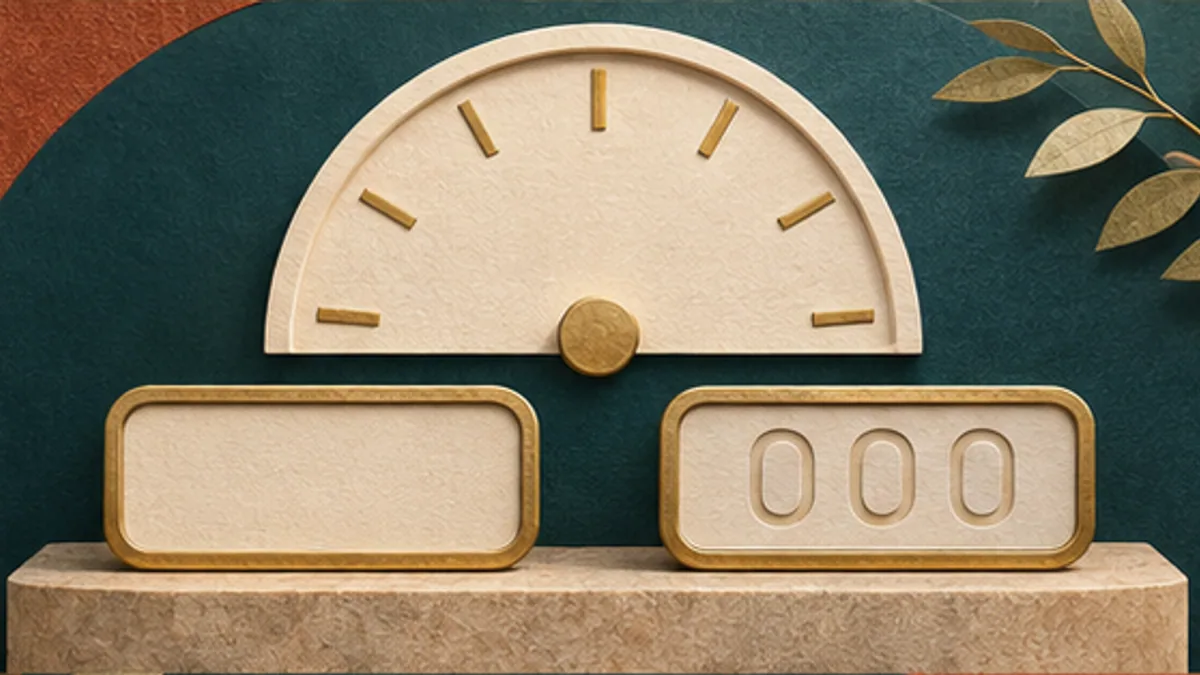
The reassuring zero
Imagine a sales dashboard showing zero revenue while the reporting connection is unavailable. The screen is tidy, but it communicates a false result. Model successful empty responses separately from failed or incomplete requests. Keep a last-updated time when freshness matters, and explain whether a visible value is current, cached, or still loading. A customer should not have to open developer tools to understand the confidence the product places in a number.
Explain the scope of the empty result
“No results” may be accurate but unhelpful when a filter excludes everything. Show the active date range or relevant filter and offer a clear way to reset it. For a genuinely new account, explain what action will create the first useful record. Avoid asking for more data when the user only needs to widen the date range; the next step should match the reason the screen is empty.
Keep placeholders out of real totals
Demo values can help explain a product before setup, but label them clearly and keep them separate from live reports and exports. A faint example chart still looks like evidence when somebody takes a screenshot for a meeting. Consider a short explanation or a dedicated sample view instead. Loading skeletons should also disappear into a meaningful success or error state rather than remaining indefinitely when a background request fails.
Test what happens next
Complete the first action, change a filter, interrupt the connection, and return after the data becomes available. Check whether the screen updates without an unnecessary reload and whether assistive technology receives a useful status message. Include the case where some cards succeed and others fail. One broken widget should not erase reliable information elsewhere, and a partly populated dashboard should not imply that every total covers the same period.